Ancestry
Family history records, tree building, and DNA tools for genealogy research
See Ancestry optionsInformation checked:
Ancestry helps people build a family tree and search historical records. A free account can hold a tree, while paid memberships open different record collections. AncestryDNA is a separate test with optional relative matching. It may suit a patient researcher who will verify hints rather than treating every suggested record or family connection as fact.

How does Ancestry work?
Start with yourself and relatives you know. Add names, places, and dates, then review record hints. A hint is a possible match, not proof. Compare names, locations, ages, and original documents before attaching a record to your tree.
AncestryDNA uses a saliva sample to estimate ancestral regions and, if you choose, show genetic matches. DNA results can reveal unexpected family connections. Review matching and privacy settings before activating a kit.
What does it cost, and does it renew?
Membership prices depend on the record collections and billing period you choose. Trials and paid memberships usually renew automatically unless canceled before the renewal date. The DNA kit, shipping, and any advanced DNA membership features can be separate costs. Read the exact checkout screen because introductory and renewal prices can differ.
What are the main benefits and limits?
- A large record collection can bring many kinds of research into one place.
- Family trees help organize people, sources, photographs, and notes.
- Hints can save time, but they can also point to the wrong person.
- Records are incomplete, transcriptions can contain errors, and some collections cost extra.
- DNA estimates can change as the reference data and methods are updated.
What should you know before you buy?
Decide whether you want record research, DNA matching, or both. Download important records and note their original source. Set a reminder before a trial or membership renews. For DNA, read the consent, research, deletion, and matching choices for yourself and any relative whose sample you help manage.
Who may find it useful?
Ancestry may suit beginners and experienced family historians who want guided searching and a place to organize evidence. It is less suitable if you want a one-time answer with no ongoing research, or if the privacy tradeoffs of genetic matching do not feel right for you.
Watch: how to start a family tree
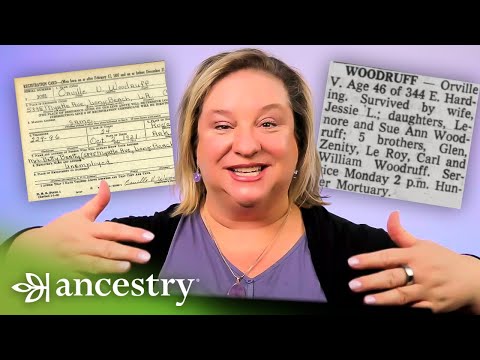
Watch "Find Your First 15" on Ancestry's verified YouTube channel. Captions are available.
Can I build an Ancestry family tree for free?
Yes. A free account includes basic family tree tools, but many historical records require a paid membership.
Does an Ancestry membership include a DNA kit?
No. AncestryDNA kits are separate purchases, and some DNA features may also depend on an active membership.
Does an Ancestry membership renew automatically?
Most trials and memberships renew automatically unless you cancel before the renewal date shown in your account.
Sources checked September 18, 2026
- Ancestry getting started guide, for free and paid family-history features
- Ancestry membership terms, for renewal and cancellation details
- Ancestry privacy center, for tree and DNA privacy choices
- AncestryDNA support, for testing and matching information